collections history
development of the collections
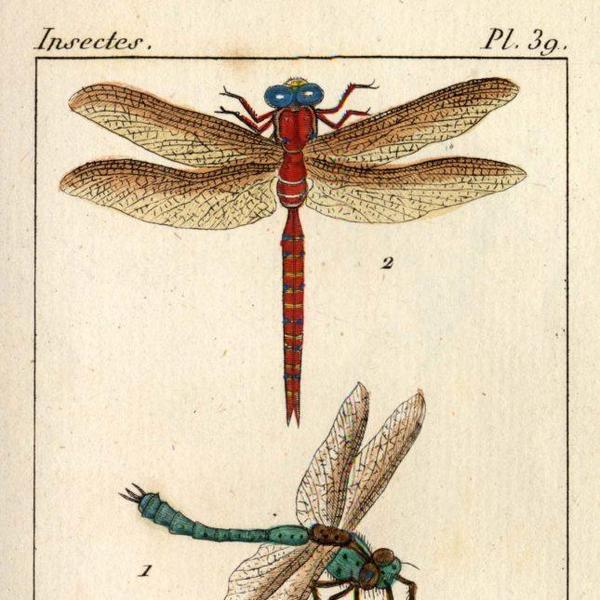
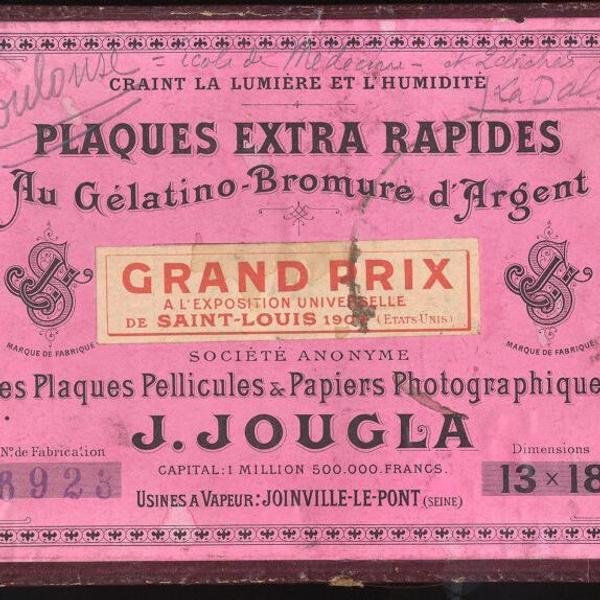
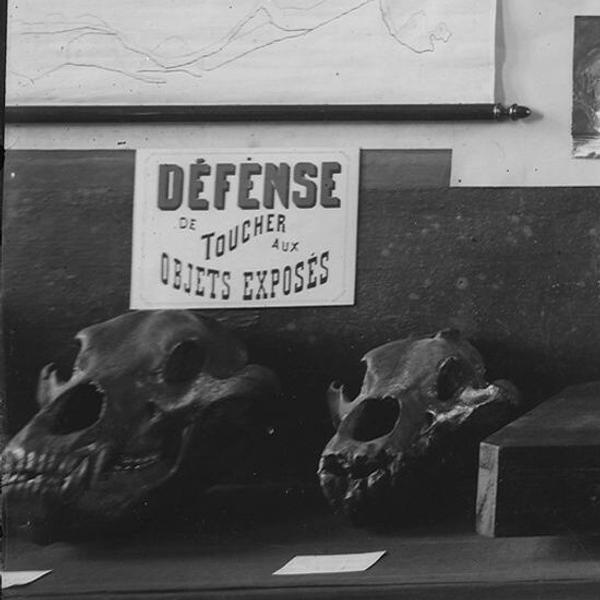
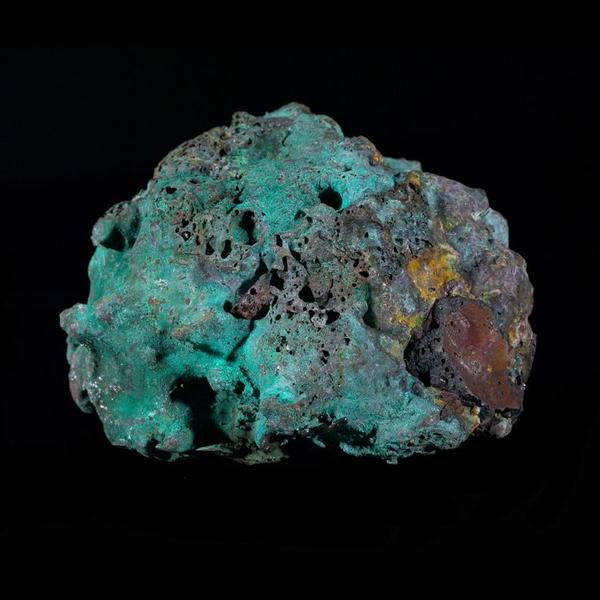
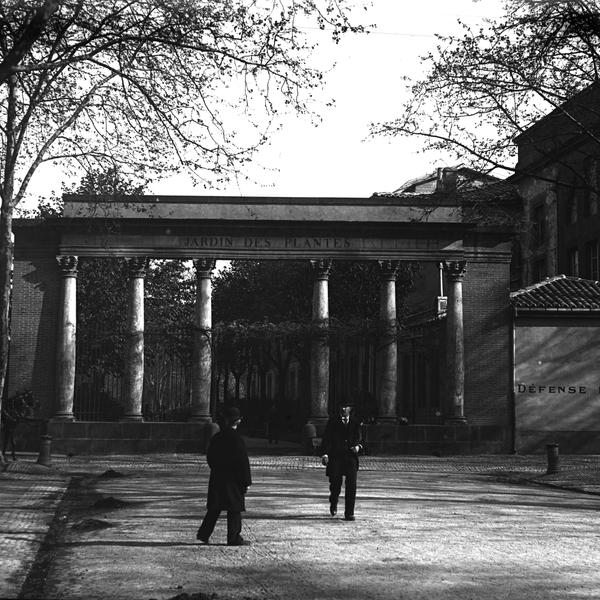
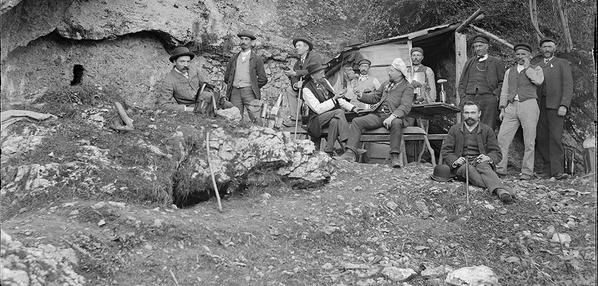
The museum has continued to expand its collections since it opened; this is one of the fundamental roles of a museum. Although it opened in 1865, some of the collections date back further and were originally housed at the Musée des Augustins, which was founded during the French Revolution. The collections have circulated amongst the various museums in Toulouse as they were established over the century and a half since the museum’s opening, before finding their current distribution.
The heritage collections of the Toulouse Museum comprise objects deemed worthy of being passed on to future generations and therefore, in principle, preserved indefinitely.
Today, these collections are selected on the basis of their scientific, historical, aesthetic or cultural significance in the broadest sense. It goes without saying that this concept is rather subjective and, for any given object, subject to change over time. A museum must therefore strike the right balance in its selection criteria regarding heritage status, so as to be neither too restrictive nor too broad. As the museum’s heritage collections form part of the public domain, they are inalienable, non-transferable and imprescriptible. Their declassification is only possible through a specific procedure governed by law. Their conservation is subject to legal obligations, starting with a comprehensive inventory and periodic verification, that is to say, a check to ensure that the inventory matches the actual holdings.