Prehistory
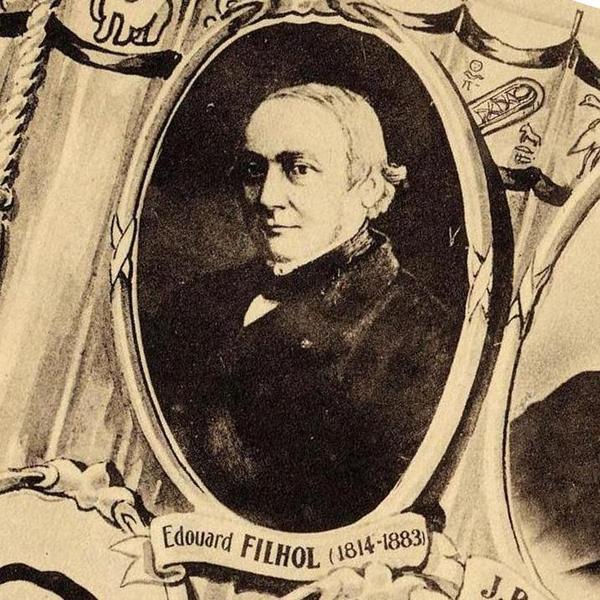
Édouard Filhol
(1814-1883)
The history of the prehistoric collections at the musée d'histoire naturelle de Toulouse is closely linked to the emergence of this discipline.
Although the museum did not open its doors to the public until 1865, the collection presented at the opening had been assembled in the preceding decades by scholars and naturalists from the Toulouse region, including future members of the Société d'histoire naturelle de Toulouse, which was founded in 1866. Filhol, the director at the time, was among those who donated their collections to form the initial collection.
The search for the "HOMME FOSSILE"
As early as 1822, Adolphe Garrigou, followed by Jean-Baptiste Noulet in 18261, carried out excavations at the Lombrives Cave, which is rich in Quaternary fauna, human artefacts and bones.
In 1836, Édouard Lartet discovered the world’s first fossilised monkey at Sansan, which he named Pliopithecus antiquus. This discovery caused a sensation in the international scientific community.
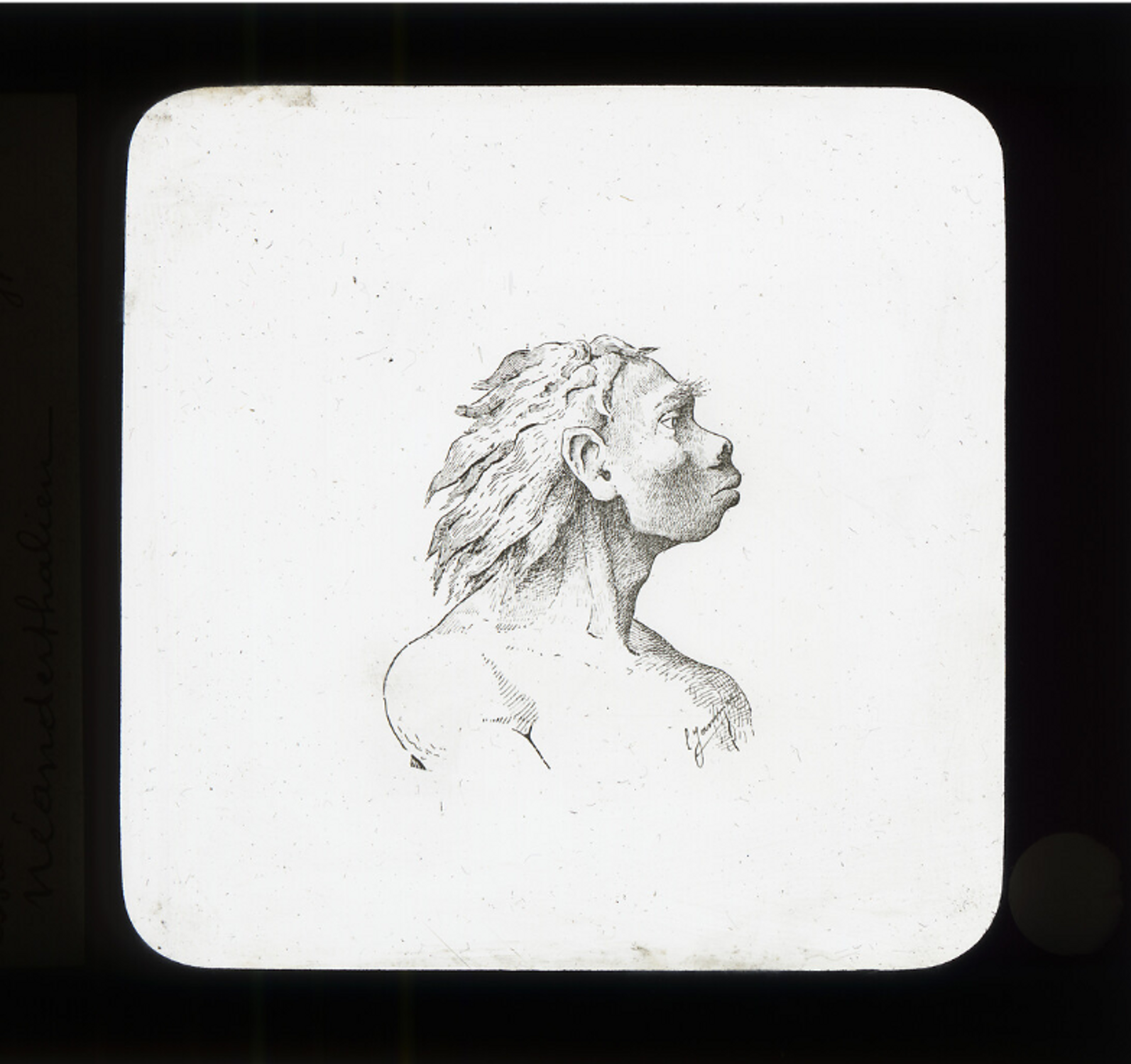
« « Essai de reconstitution de Néandertalien », plaque de projection - coll. muséum, Fonds Louis Mengaud, MHNT.PHb.8510.01.0016
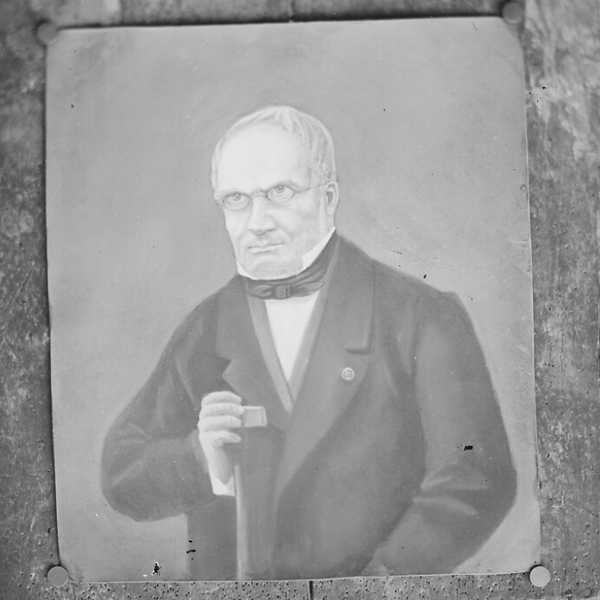
Édouard Lartet
(1801-1871)
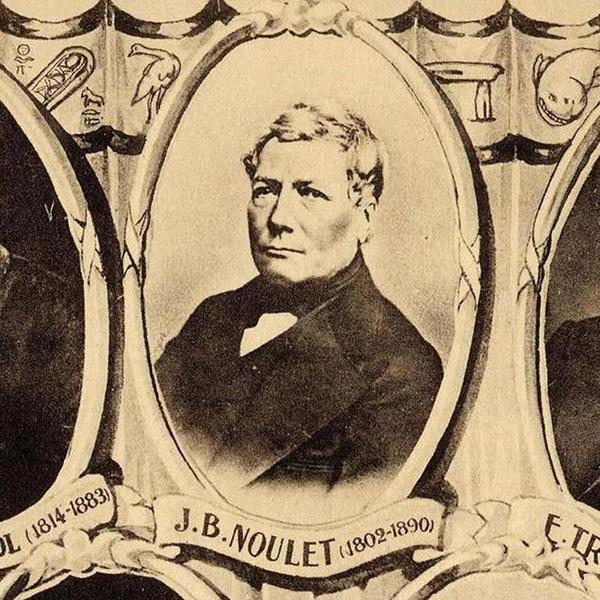
Jean-Baptiste Noulet
(1802-1890)
They ran counter to the prevailing views of Georges Cuvier, who claimed that there were no fossilised monkeys or humans. In 1851, Jean-Baptiste Noulet discovered human artefacts mixed with the bones of long-extinct animals in the Infernet valley at Clermont-Le-Fort in Haute-Garonne.
In 1856, Lartet described the first fossil of a great ape belonging to the hominid family, Dryopithecus fontani, found at Saint-Gaudens.
In 1860, Édouard Lartet excavated the Aurignac site in Haute-Garonne, which would give its name to the first period of the Upper Palaeolithic: the Aurignacian. He was also the first to propose a division of prehistoric periods based on animal palaeontology. From that point onwards, a whole generation of enthusiasts would criss-cross the region and make discoveries that would confirm the intuitions of their predecessors.
Count Victor d’Adhémar de Cransac gathered evidence in the Sausse and Seilhonne valleys of the very ancient presence of humans in the Toulouse region.
From 1860 onwards, Félix Garrigou, Jean-Baptiste Ramès and Henri Filhol discovered artefacts dating from the Neolithic period, similar to those found shortly before on the shores of Swiss lakes.
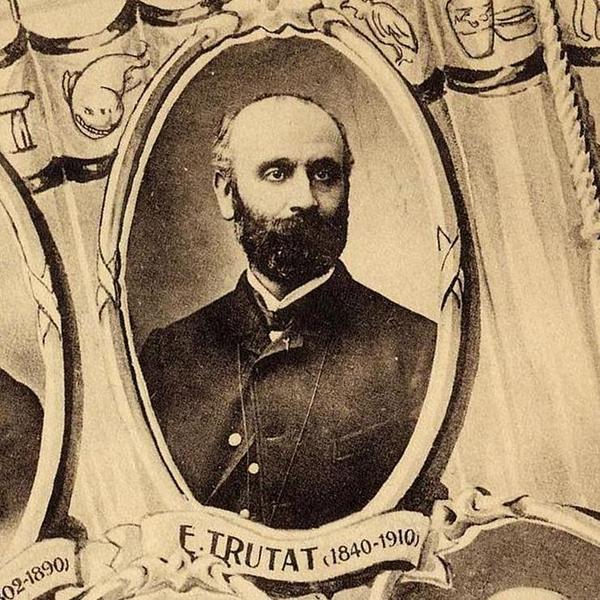
Eugène Trutat made discoveries in the vicinity of Bruniquel in Tarn-et-Garonne, revealing to the public the art of Upper Palaeolithic humans.
The entire collection thus assembled was housed in the museum recently established in the premises of the École de médecine, which occupied the former convent of the Couvent des Carmes Déchaussées, where, for the first time in Europe2, a gallery dedicated to prehistory was opened: the "Galerie des cavernes".
This gallery displays to the public artefacts from regional excavations, notably from the L’Herm cave, which has yielded an abundance of Quaternary fauna bones. The quantity is such that it has enabled the reconstruction of complete bears, as well as numerous exchanges with various institutions and private individuals around the world.
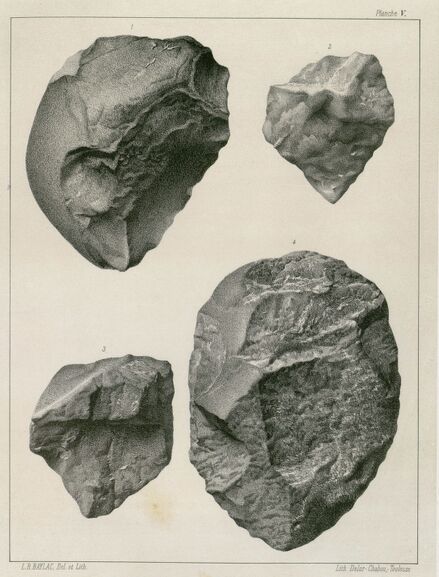
Nouvelles études sur le gisement quaternaire de Clermont près de Toulouse au double point de vue de la paléontologie & de l'archéologie préhistorique / par le Dr J.-B. Noulet, Privat, 1881 - coll. muséum, cote B 2658, Rosalis
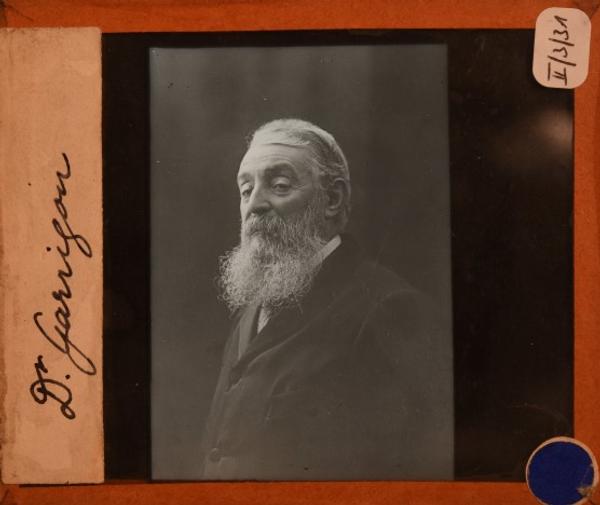
Félix Garrigou
(1835-1920)
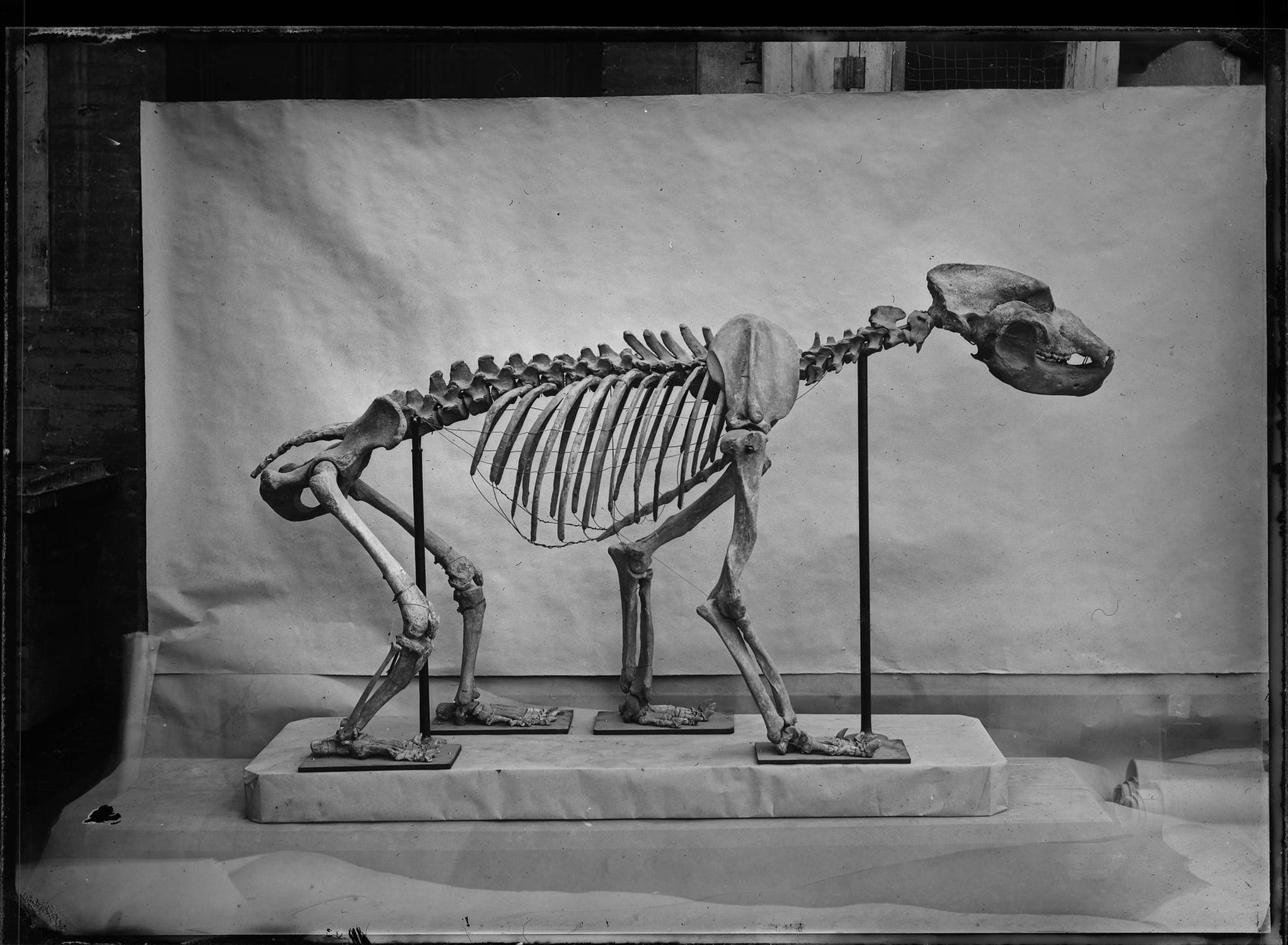
Ursus spelaeus monté par Trutat et Sairac (MHNT.PAL.2007.0.12), photo. : E. Trutat - coll. muséum, MHNT.PHa.138.B69.007
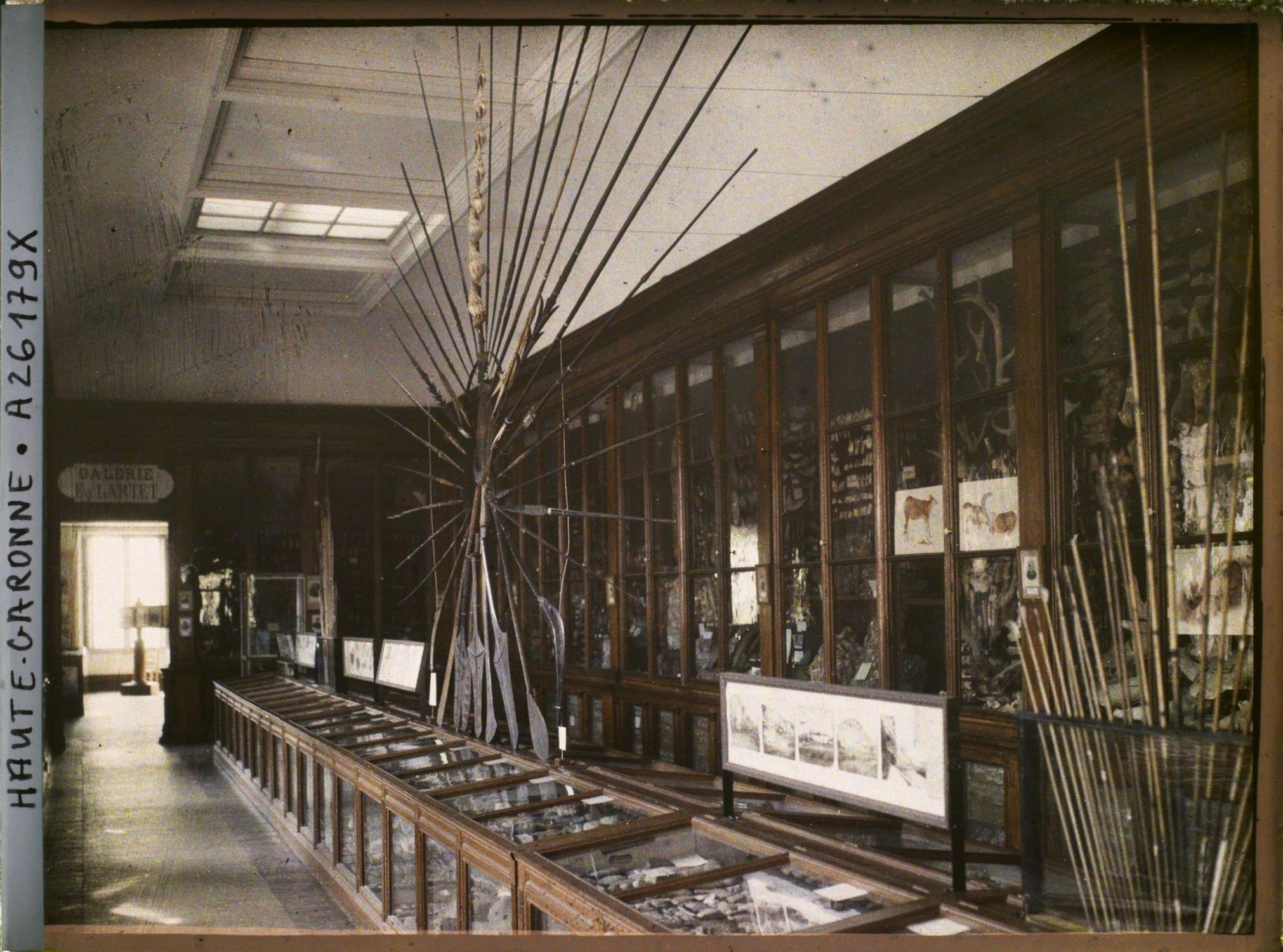
Galerie de préhistoire, collections ethnographiques en panoplie, Une des salles du museum d'histoire naturelle, 1921, photo. : Georges Chevalier - musée Albert Kahn, A26179X
Étienne Sairac
(1803 ca-1880 )
Foreign prehistoric sites and caves
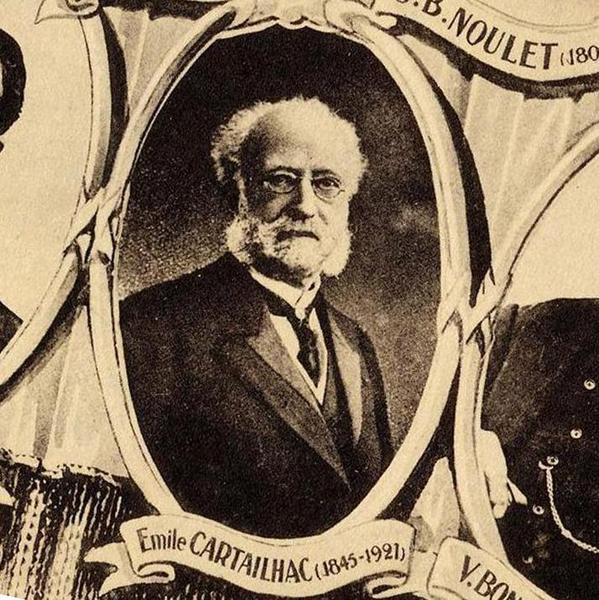
Under the leadership of Émile Cartailhac, the museum gained international renown.
Indeed, he was a leading figure in the field and a member of numerous learned societies. His influence enabled the collections to be enriched through numerous exchanges with his colleagues and with museums in France and abroad, which explains the presence of artefacts from Europe, Africa, Asia, the Near East and the Americas.
The museum also holds artefacts from the eponymous sites of Saint-Acheul and Abbeville, Le Moustier, Aurignac, Solutré, La Gravette, La Madeleine and Mas d’Azil.
The prehistoric collections span all periods, from the Early Palaeolithic to the end of the Ice Age, and come from all over the world. They reflect the significant human presence in the Pyrenees and the Dordogne during the Palaeolithic, as well as the vibrancy of scientific research in this field within our region.
Indeed, it is largely on the basis of material collected in south-western France that the chronology of prehistoric times has been established.
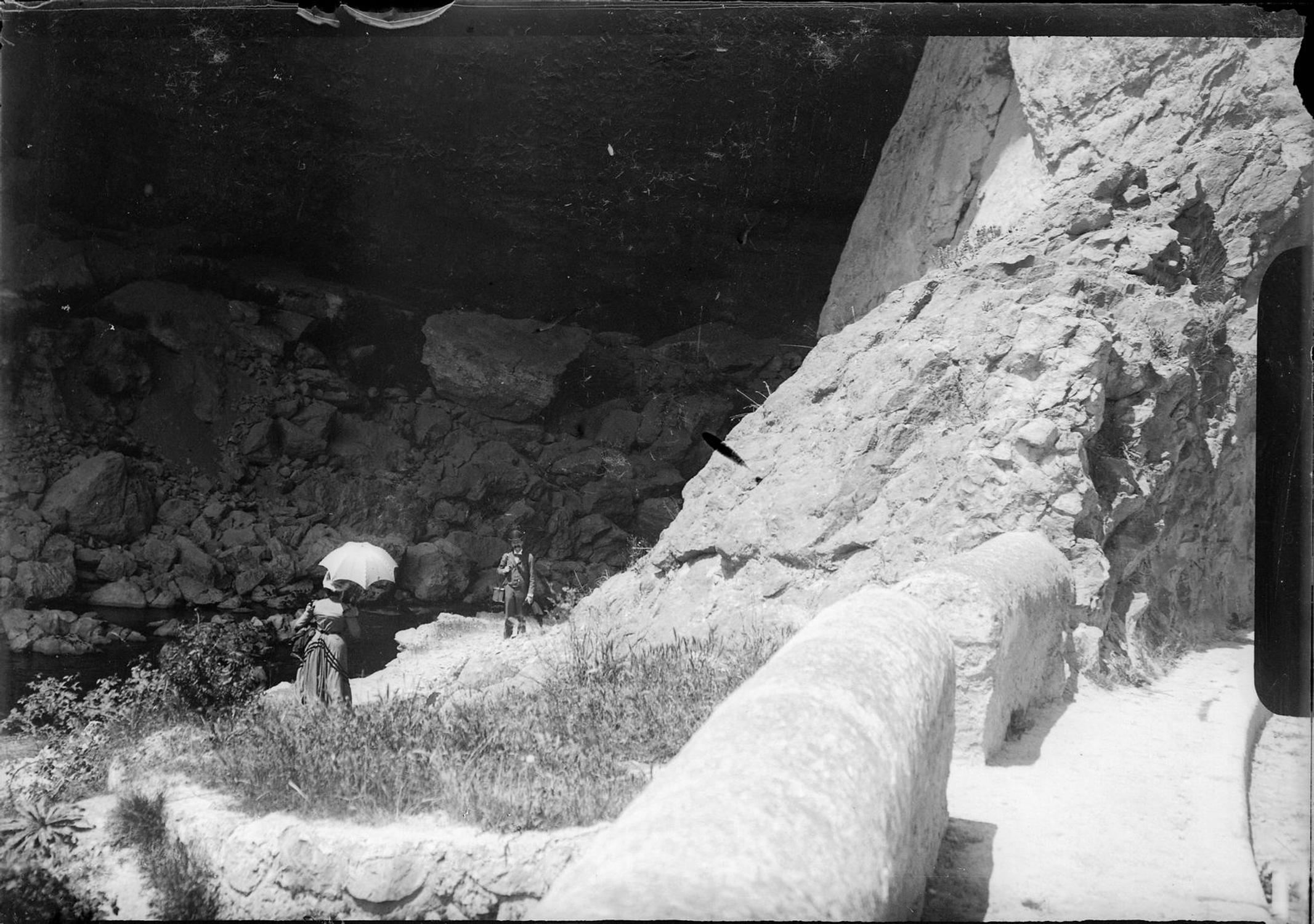
"6 juin 1899 grotte du Mas d'Azil sentier à l'entrée app. Mackenstein", photo. : E. Trutat – coll. muséum, MHNT.PHa.659.M.002
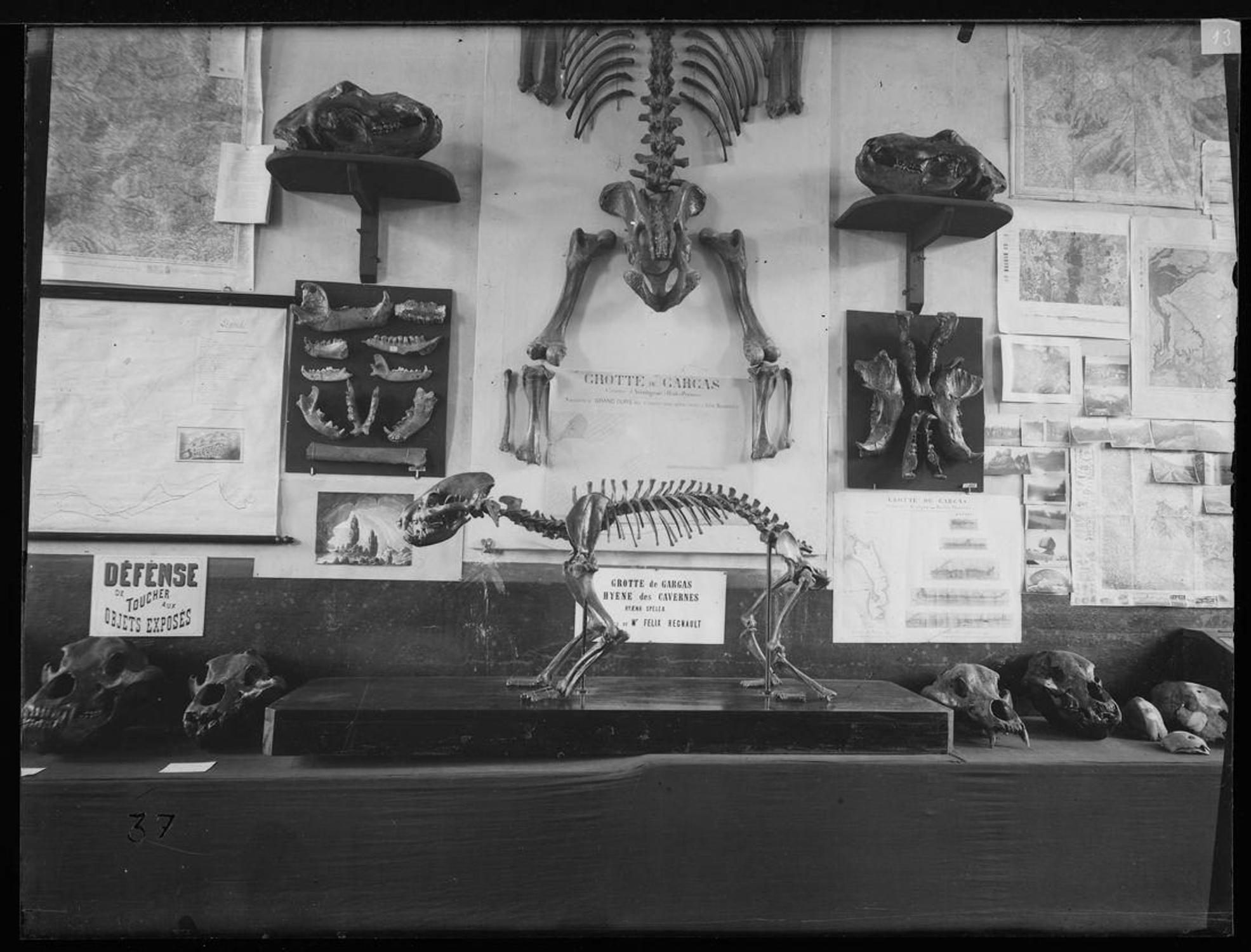
Exposition de la Société de Géographie de Toulouse, 1884, photo. E. Trutat – coll. muséum, MHNT.PHa.1824.23.13
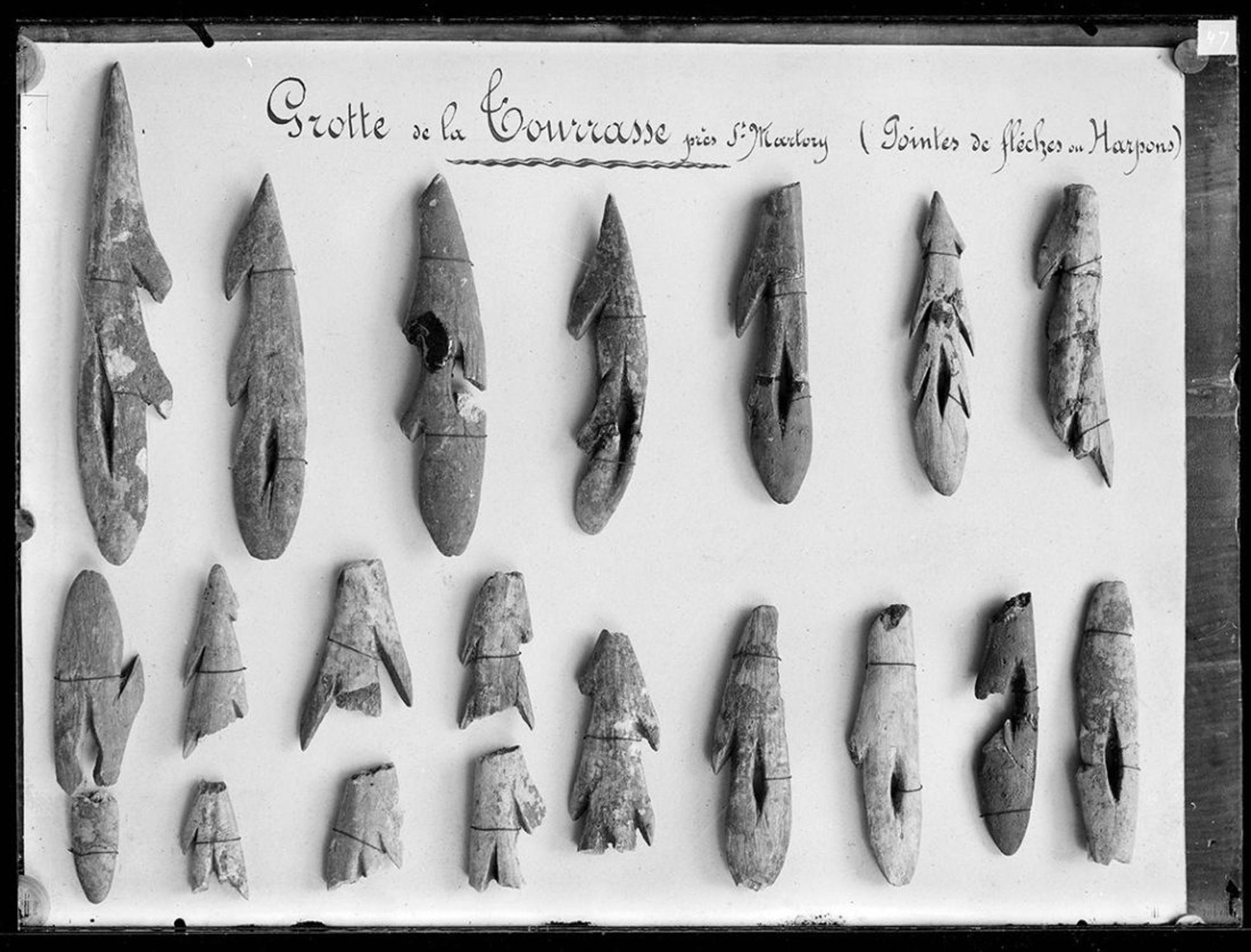
Harpons, la Tourrasse, Saint Martory, photo. E. Trutat – coll. muséum, MHNT.PHa.1824.22.47
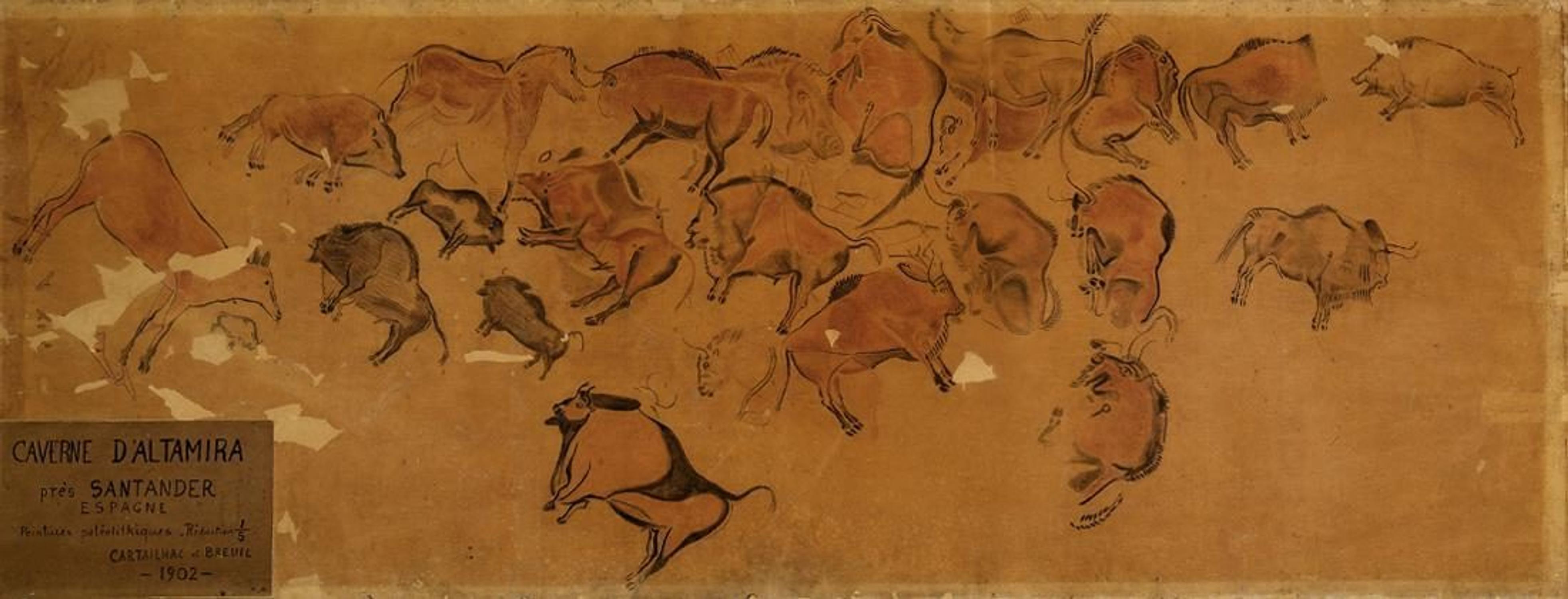
Dessin du plafond aux bisons d’Altamira en Espagne, relevé au 1/5e de l’Abbé Breuil et Émile Cartailhac, 1902 – coll. muséum, PRE.99.127.1
Notes
- Cent ans de Préhistoire, catalogue d’exposition, préface de Louis Méroc, 1956 – muséum de Toulouse, cote C 2387
- Le Muséum d'Histoire Naturelle de Toulouse : ses galeries, Gaston Astre, 1950 - Rosalis
À retrouver dans ces thématiques
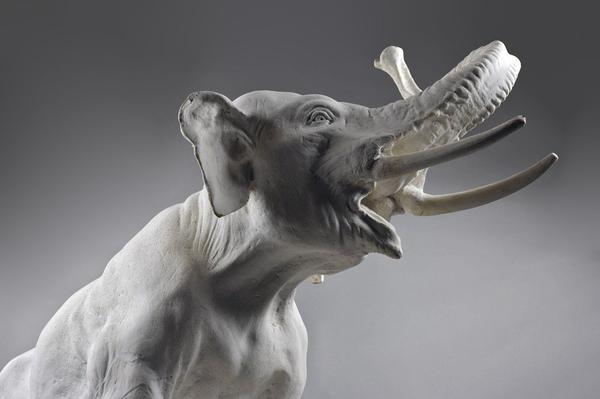
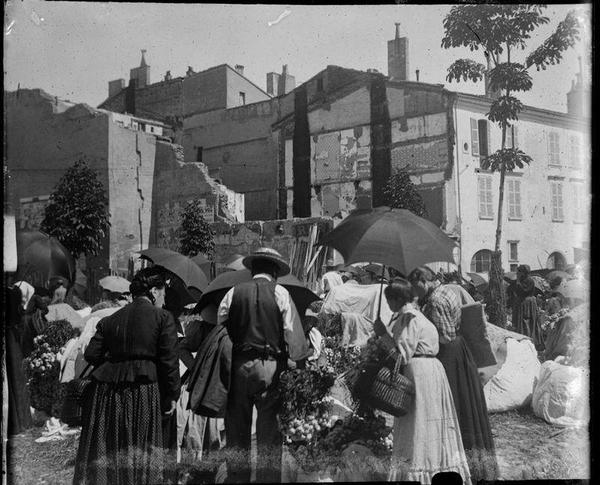
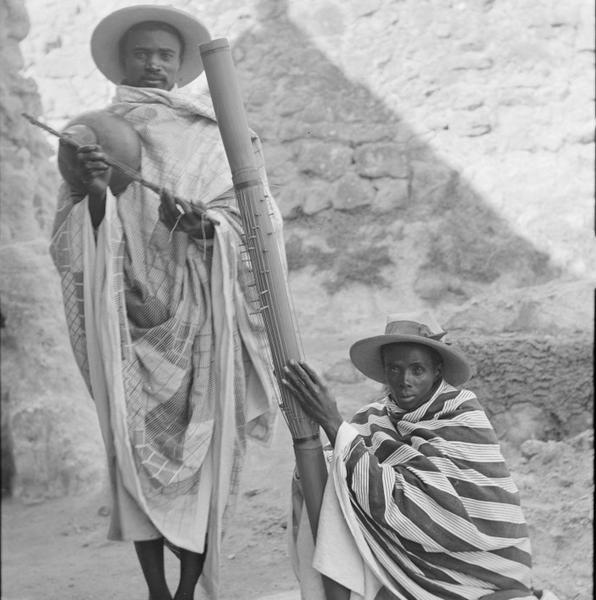
Photo. d'en-tête : « Galerie des cavernes ». On distingue le Megaloceros giganteus des tourbières de Monaincha en Irlande (MHNT.PAL.2007.0.11) et l’Ursus spelaeus monté par Trutat et Sairac (MHNT.PAL.2007.0.12), photo. : E. Trutat - coll. muséum, MHNT.PHa.138.T.048
Guillaume Fleury, chargé des collections de préhistoire et anthropologie biologique, 2019, mise à jour 2025